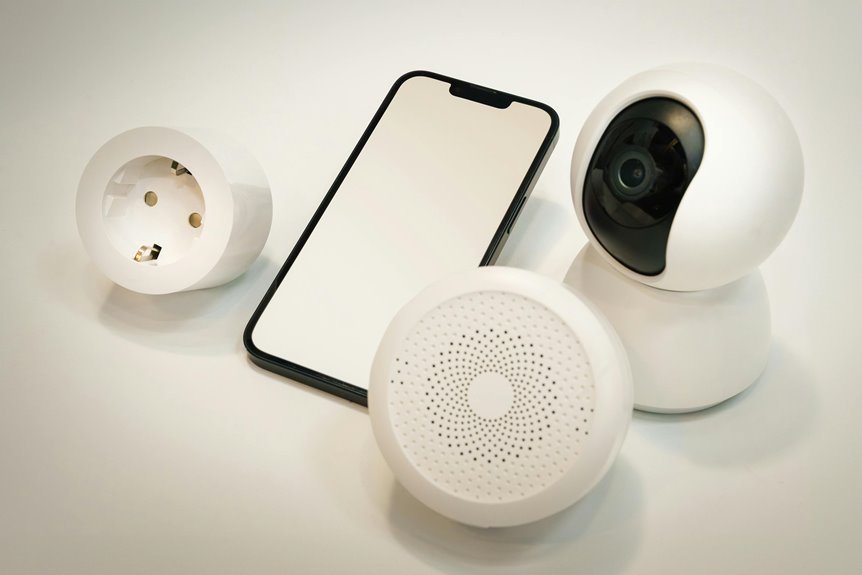
Smart Web Hub 69793791 Digital functions as a centralized orchestration layer for diverse devices and services. It emphasizes interoperability, lean configuration, and transparent standards to reduce complexity. The system integrates control, analytics, and data exchange to enable predictable automation across homes and small offices. Its evidence-based approach supports secure, scalable operations. The implications for reliability and privacy warrant closer scrutiny as users weigh setup, performance, and long-term maintenance. This warrants further consideration.
What Is Smart Web Hub 69793791 Digital and Why It Matters
Smart Web Hub 69793791 Digital refers to a centralized platform designed to integrate and control multiple smart devices and services across a consumer network. It acts as an orchestration layer, aligning inputs and outputs within a cohesive smart hub framework. This approach sustains a scalable digital ecosystem, enabling autonomous decisions, interoperability, and resilient freedom for users navigating connected environments.
Core Features That Streamline Your Smart Ecosystem
Core features that streamline a smart ecosystem center on centralized orchestration, interoperability, and user-centric automation. The platform emphasizes smart automation and seamless interoperability, enabling devices to coordinate without manual input. Analytical evaluation shows reduced complexity, clearer data flows, and scalable control. This approach favors freedom through transparent standards, predictable behavior, and modular integrations, supporting adaptable workflows while maintaining robust security and consistent user experiences.
How to Set Up and Optimize for Max Performance
To maximize performance, the setup emphasizes lean configuration, tested interoperability, and proactive optimization. A measured approach evaluates hardware, firmware, and network paths, reducing latency and bottlenecks. Smart setup minimizes redundant processes while maintaining reliability. Integration strategies prioritize compatibility across devices and services, enabling smooth data flows. Documentation and monitoring ensure consistent adjustments, supporting sustained peak operation without unnecessary complexity.
Practical Use Cases and Choosing the Right Integrations
Practical use cases for the Smart Web Hub center on delivering tangible benefits across environments, from homes to small offices, by consolidating control, data exchange, and automation. The discussion remains objective, analytical, and concise, outlining how a smart hub coordinates devices, reduces fragmentation, and enhances visibility. It clarifies integration strategies, evaluating compatibility, security, scalability, and maintenance to guide informed adoption.
Conclusion
In a world where chaos apparently serenades the thermostat, Smart Web Hub 69793791 Digital promises order with the elegance of a well-programmed toaster. Its interoperability and lean configuration resemble a minimalist manifesto for devices that finally agree to disagree—silently, efficiently, and with transparent standards. While not a miracle cure, it offers predictable behavior, reduced complexity, and proactive optimization, persuading users that harmony among lights, locks, and sensors is not a myth but a manufacturable, scalable reality.