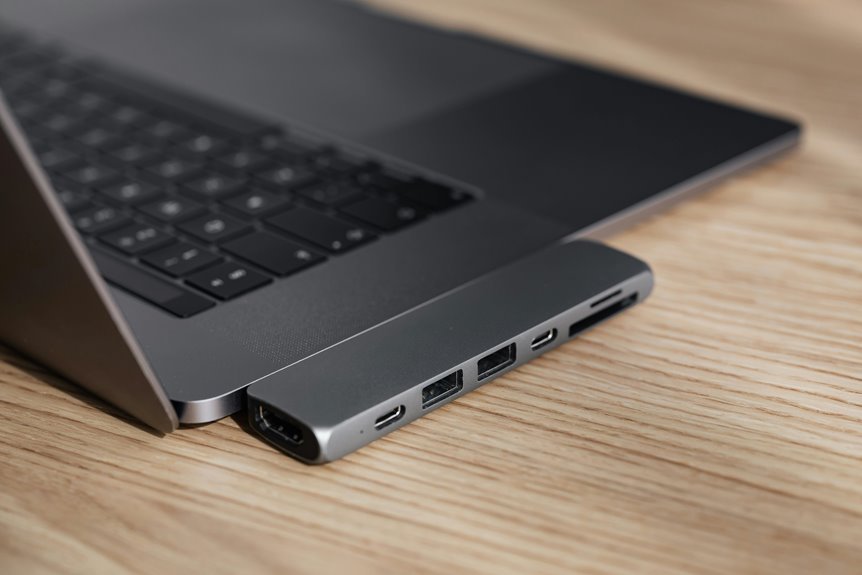
The Smart Media Hub 31008238 Digital positions itself as a centralized backbone for files, apps, and devices across networks. Its claims hinge on compatibility and autonomy, inviting scrutiny of performance and vendor lock-in. Setup emphasizes verification and clear media library configuration, with an emphasis on deterministic syncing. Yet questions remain about privacy, data handling, and lean app governance. The framework promises transparency, but the stakes suggest a careful evaluation before committing to any conclusion.
What Is the Smart Media Hub 31008238 Digital?
The Smart Media Hub 31008238 Digital is a centralized device designed to manage and stream multimedia content across wired and wireless networks. It operates as a focal point for files, apps, and devices, but skepticism remains about performance, privacy, and vendor lock-in.
Smart media functions depend on compatibility, while the digital hub promises autonomy yet may constrain freedom through ecosystems.
How to Set up and Start Streaming Instantly
Setting up the Smart Media Hub 31008238 Digital for instant streaming requires a methodical approach: verify network compatibility, update firmware, and connect the hub to both power and the intended router or access point, then configure media libraries and playback profiles to ensure immediate access across devices.
The process favors quick setup, avoiding overpromises, and questions compatibility claims about instant streaming across platforms.
Organizing Your Content: Photos, Videos, Music, and Smart Devices
Organizing content on the Smart Media Hub 31008238 Digital requires a clear framework for photos, videos, music, and smart-device data.
The approach remains analytical and skeptical, prioritizing user autonomy over clutter.
It emphasizes disciplined folders, metadata, and deterministic naming.
Streaming etiquette and storage optimization are central: minimize redundancy, maximize accessibility, and resist proprietary biases that threaten freedom of choice.
Maximizing Performance: Compatibility, Apps, and Syncing
Maximizing performance on the Smart Media Hub 31008238 Digital hinges on clear compatibility criteria, streamlined apps, and robust syncing pipelines. The analysis remains skeptical: compatibility considerations must cover ecosystems, file formats, and network constraints, not promises. Apps should be lean and purposeful, while syncing strategies prioritize determinism and conflict resolution. Freedom-seeking users should demand transparency, not vendor blur.
Conclusion
The Smart Media Hub 31008238 Digital stands as a lean, interoperable nexus for media – if one accepts its transparent data handling and deterministic syncing as prerequisites for trust. In practice, its efficiency mirrors a well-tuned filing cabinet: fast access, predictable organization, fewer vendor constraints. An anecdote from a beta tester: after strict metadata discipline, a 10,000-file library loaded in minutes with consistent naming, proving that disciplined structure can outperform flashier but fragmented ecosystems.